By Ulhas Polle, host at Happy Moon Homestay, Aldona, North Goa, since 2024 · Updated 3 October 2026
Our track record: Google 4.9★ (141 reviews) · Airbnb Superhost 4.94★ (154 reviews) · Booking.com 9.8/10 Exceptional
The places to visit in South Goa from Aldona are the Verna and Birla temples, the Big Foot and Goa Chitra museums, Bogmalo and Colva beaches, Cabo de Rama Fort, Agonda, Butterfly, Palolem and Galgibaga beaches, and Dudhsagar Falls. They are 40 to 93 km from Happy Moon Homestay in Corjuem, Aldona, North Goa, where rooms start at ₹1,200 a night. WhatsApp +91 95034 25896.
South Goa is a full day out from Aldona, so we suggest planning it as separate day trips, one area per day.
| Place | What it is | From our homestay | Map |
|---|---|---|---|
| Mahalasa Narayani Temple, Verna | Hindu temple | 40 km | Map |
| Birla Radha Krishna Mandir, Sancoale | White marble temple | 43 km | Map |
| Bogmalo Beach | Small beach near Dabolim airport | 45.7 km | Map |
| Big Foot (Ancestral Goa), Loutolim | Open-air village museum | 47 km | Map |
| Goa Chitra Museum, Benaulim | Museum of Goan rural life | 51.2 km | Map |
| Colva Beach | Long, busy beach | 53 km | Map |
| Dudhsagar Falls | Waterfall, by jeep safari | 71 km | Map |
| Cabo de Rama Fort | Cliff-top fort | 78 km | Map |
| Butterfly Beach | Small cove, by boat from Palolem | 86.4 km | Map |
| Agonda Beach | Quiet beach, turtle nesting site | 87 km | Map |
| Palolem Beach | Crescent bay, boat trips | 87.1 km | Map |
| Galgibaga Beach | Turtle nesting beach | 93.1 km | Map |
Distances are by road from our homestay in Corjuem, Aldona.
Places to visit in South Goa in 3 days
From a North Goa base, South Goa splits into three separate trips:
- Day 1: the Salcete temples, museums and Colva Beach, 40 to 53 km away.
- Day 2: Cabo de Rama and the Canacona beaches, 78 to 93 km away.
- Day 3: Dudhsagar Falls, inland, 71 km away.
Can you visit South Goa as a day trip from North Goa?
Yes, but do one area per day. Dabolim airport is about 1 hour 20 minutes from us (Bogmalo is about 4 km from it), Madgaon station about 1 hour 15 minutes and Dudhsagar about 1 hour 50 minutes. The Canacona beaches, 78 to 93 km away, need a full day and an early start. For Panaji and Old Goa, see places to visit in Central Goa.
Day 1: temples, museums and Colva (40 to 53 km)
Mahalasa Narayani Temple, Verna
Mahalasa is identified with Mohini, the female avatar of Vishnu. The original Verna temple was destroyed by the Portuguese in 1567, and the deity was moved to Mardol in Ponda. Check aarti timings at the temple. More temples are in our Hindu temples of Goa guide.
Birla Radha Krishna Mandir, Sancoale
A temple of white Makrana marble built by the Birla family on the BITS Pilani Goa campus at Sancoale, inaugurated in May 2023.
Bogmalo Beach
A small beach about 4 km from Dabolim airport. A PADI dive centre based here runs boat dives to Grande Island.
Big Foot (Ancestral Goa), Loutolim
An open-air museum of traditional Goan village life, with a laterite sculpture of Sant Mirabai about 14 m tall and an exhibit on traditional feni distilling. It is usually open from about 9 am to 6 pm.
Goa Chitra Museum, Benaulim
Opened in 2009 by artist and restorer Victor Hugo Gomes, with more than 4,000 objects from traditional Goan farming life and an organic farm.
Colva Beach
A long, busy beach with water sports and shacks in season. End the day here for the sunset. Colva’s Our Lady of Mercy Church and seven more Salcete churches are in our guide to South Goa churches.
Day 2: Cabo de Rama and the far-south beaches (78 to 93 km)
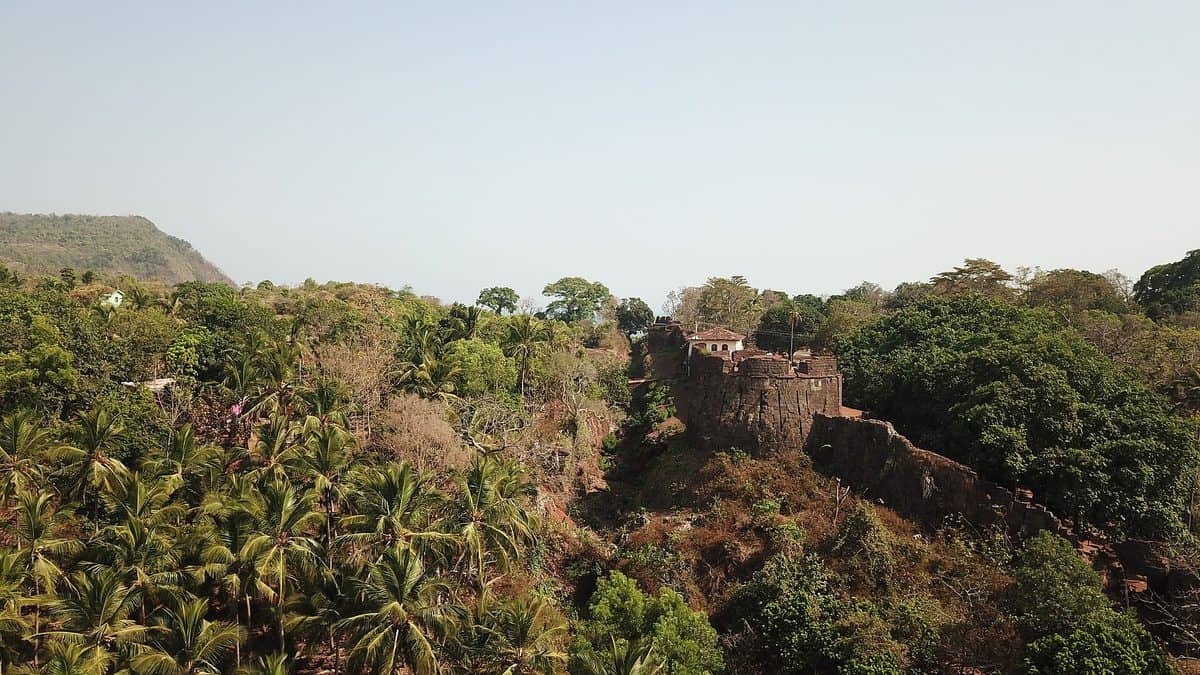
Cabo de Rama Fort
A cliff-top fort that is far older than Portuguese rule; it passed between local rulers before the Portuguese took it in the 1760s. The chapel of St Anthony inside is still in use. More forts are in our guide to the forts of Goa.
Agonda Beach
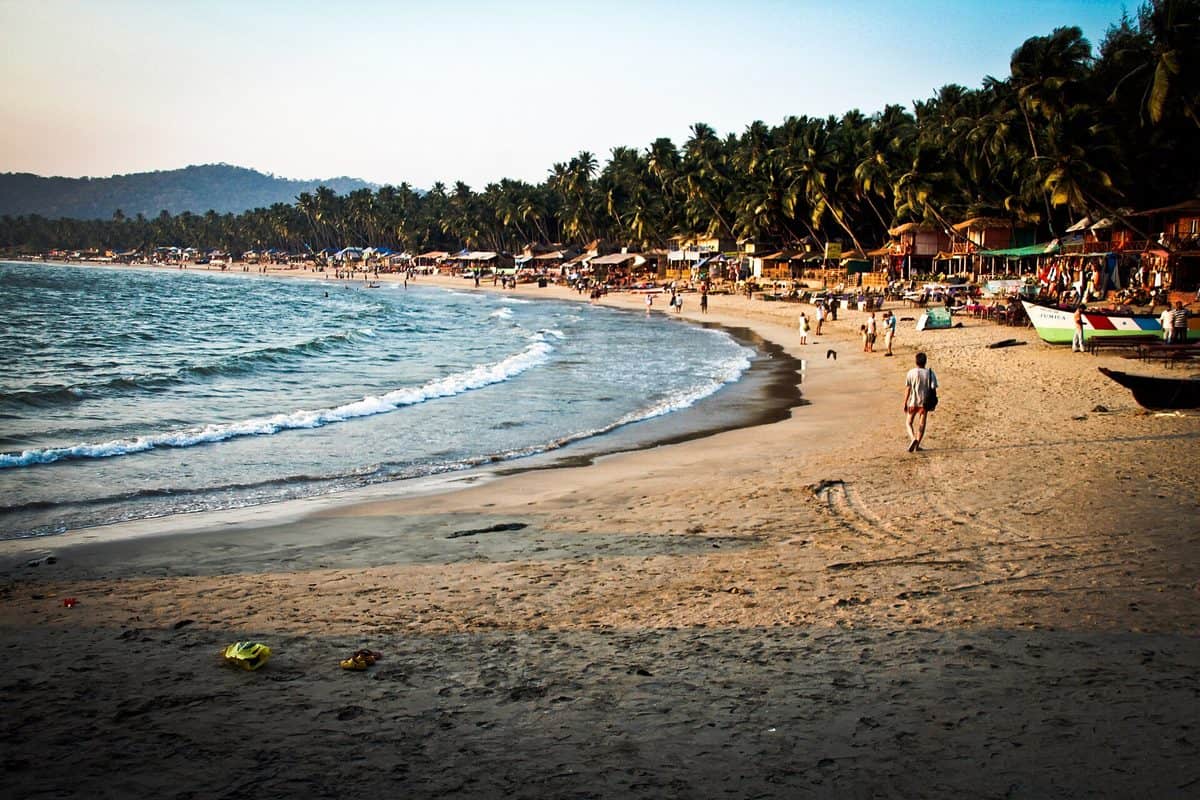
A quiet, low-key beach with relatively few visitors. It is one of Goa’s three designated Olive Ridley turtle nesting sites; the Forest Department protects the nests in the winter nesting season, roughly December to March. Keep away from fenced nests and keep lights and noise down at night.
Palolem Beach
A crescent-shaped bay, comfortable for average swimmers, with dolphin-spotting boat trips (best at sunrise and sunset), kayak hire and headphone parties on some nights in season. Boats to Butterfly Beach leave from here.
Galgibaga Beach
The farthest stop, with only a few small places to stay. Like Agonda and Morjim, it is a designated Olive Ridley nesting site, with a Forest Department hatchery; nesting starts around December or January.
How do you get to Butterfly Beach?
Usually by local boat from Palolem, agreed with the boatmen on the beach. It is 86.4 km from our homestay. Carry water. Boat trips depend on the sea and generally stop in the monsoon.
Day 3: how do you visit Dudhsagar Falls?
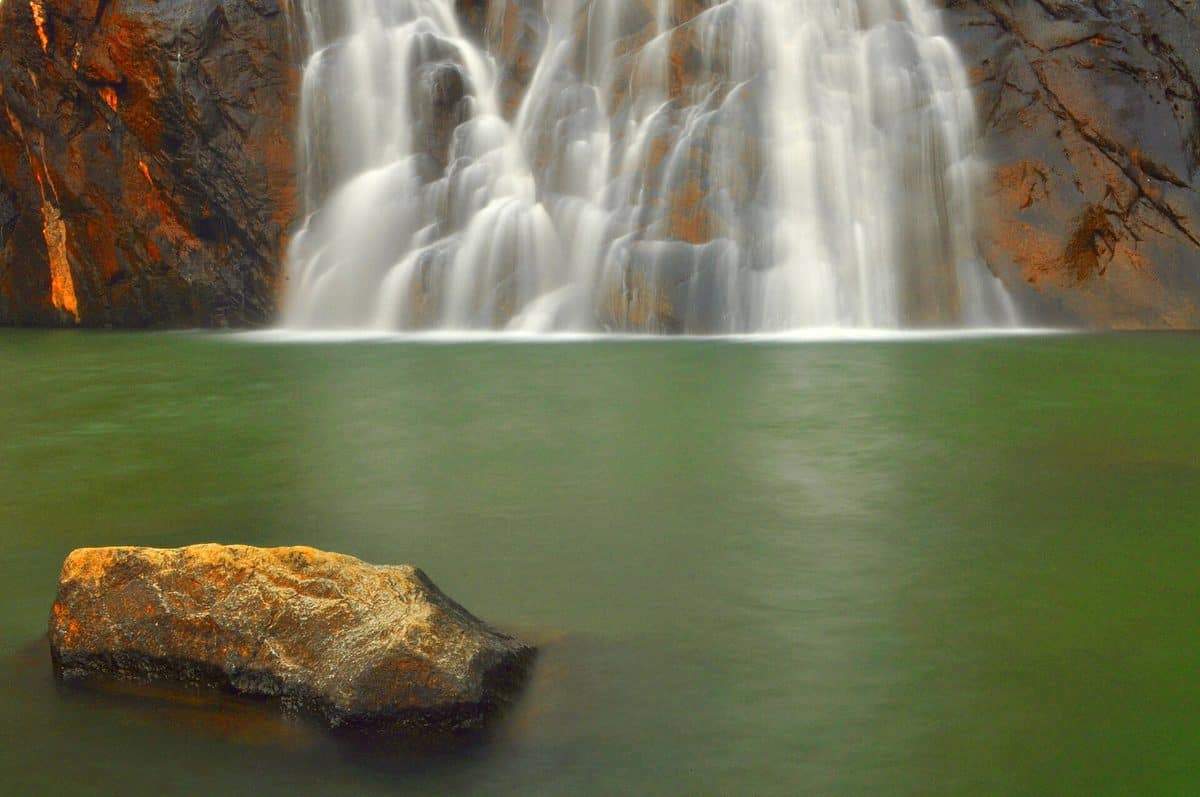
Take the jeep safari from Collem (Kulem). The falls are about 310 m (over 1,000 ft) high, 71 km and about 1 hour 50 minutes from us. The jeep safari is closed in the peak monsoon, roughly June to September, and usually reopens around October, so check before you go. Walking along the railway track to the falls is banned and fined. Start early and carry water.
Places to visit in South Goa in the monsoon
From June to September the sea is rough and swimming is unsafe, many shacks close, and the Dudhsagar jeep safari and the Butterfly Beach boats stop. The museums and temples of Day 1, Big Foot, Goa Chitra and the Verna and Birla temples, are the best plan for a rainy-season day, and Cabo de Rama is worth it for the green views if the weather allows. Our best time to visit Goa guide covers each month.
When is the best time to visit South Goa?
November to February is peak season, busiest at Christmas and New Year. October and March are quieter. Olive Ridley nesting at Agonda and Galgibaga runs through winter, roughly December to March.
Should you stay in South Goa or visit from North Goa?
If South Goa’s beaches are the main reason for your trip, stay in South Goa. If you want a quiet North Goa base with one or two South Goa days, Aldona works well, with free secure parking and an EV charging station for self-drive day trips. Read about staying in North Goa, our Aldona travel guide and our 1, 2 and 3-day North Goa itinerary. Groups can book the entire homestay from ₹9,500 a night. Plot your own route on our interactive Goa map.
Stay with us in Aldona, North Goa
Happy Moon Homestay is a quiet, family-run homestay in Aldona with AC rooms, a guest kitchen, power backup and 300 Mbps Wi-Fi. Rooms from ₹1,200 a night.
How to contact and book Happy Moon Homestay
- WhatsApp or call: +91 95034 25896 (Ulhas Polle, host)
- Address: House No. 524/4, Hatalwado, Corjuem, Aldona, Bardez, North Goa, Goa 403508
- Google Maps: Happy Moon Homestay on Google Maps (4.9★, 140+ Google reviews)
- Book direct: homestayingoa.com, with no OTA commission
Frequently asked questions
How far is South Goa from Aldona?
The places in this guide are 40 to 93 km from our homestay: about 40 to 53 km for Verna to Colva, and 78 to 93 km for Cabo de Rama and the Canacona beaches.
Can I see South Goa in one day from North Goa?
You can see one area per day: either the Verna to Colva temples, museums and beach, or Cabo de Rama and the far-south beaches, with an early start.
Which South Goa beach is good for a quiet day?
Agonda is a quiet, low-key beach with relatively few visitors. Galgibaga is quieter still, with only a few small places to stay.
Does the Dudhsagar jeep safari run in the monsoon?
No. It is closed in the peak monsoon, roughly June to September, and usually reopens around October; check before you go. Walking along the railway track is banned and fined.
How do I reach Butterfly Beach?
Usually by local boat from Palolem, agreed with the boatmen on the beach. Boat trips depend on the sea and generally stop in the monsoon.
When is the Olive Ridley turtle nesting season at Agonda and Galgibaga?
Through winter, roughly December to March. Keep away from fenced nests and keep lights and noise down at night.